
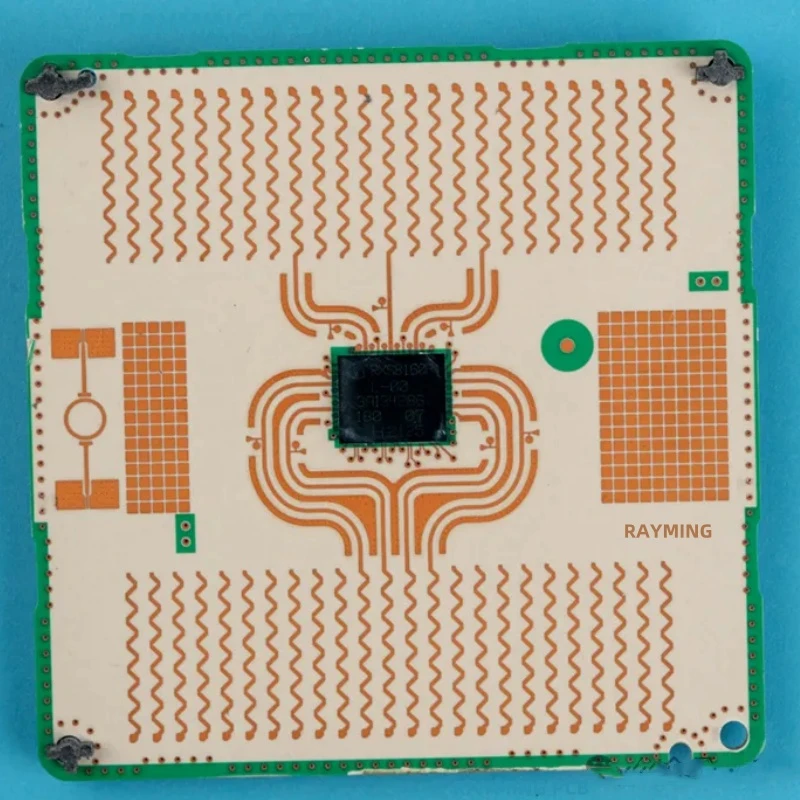
Identity
Manufacturer part number identity
Lock the real manufacturer and exact MPN, not just a value-level description. Record approved alternates separately so they do not get confused with the primary part callout.
MPNManufacturerAlternates
BOM QUOTE READINESS
Use this page when the BOM is the reason cost, RFQ, or release discussions keep slowing down. It helps clarify the part-definition, sourcing, and documentation issues that usually trigger re-quote, engineering question loops, sourcing delay, or unstable cost before the package moves to quote submission.
Quote and release decisions stay stable only when the part identity, package, sourcing model, and documentation scope stay stable too.
Changing the exact part identity or physical package can change price, availability, and buildability.
Undefined alternates, DNP logic, or ownership of supply triggers clarification before anyone can buy or release.
Material cost becomes unstable when allocation, NCNR, or low-volume buy assumptions are discovered late.
WHEN THIS PAGE HELPS
This page sits between cost or RFQ research and the actual handoff to <a href="/en/quote">Request a Quote</a>. It is the support layer for BOM-specific uncertainty, not a replacement for DFM review or prototype-stage planning.
Cost or RFQ content raised BOM questions
The board concept may be clear, but the sourcing package still has unresolved part-definition or availability assumptions.
The next build is closer to release than to exploration
If the next step is no longer a loose experiment, part identity, alternates, and release notes need tighter control.
Sourcing needs a defined risk posture
Lifecycle, EOL, MOQ, lead time, broker use, and anti-counterfeit expectations need to be declared before commercial review.
The team needs a clearer handoff boundary
Turnkey vs consigned supply, DNP handling, documentation expectations, and revision ownership need to be explicit before quote submission.
QUICK ANSWER
Most BOM friction follows a predictable pattern. The fields below usually need to be frozen before commercial review starts.
Freeze part identity
The manufacturer name, exact manufacturer part number, suffix, grade, and approved alternates need to describe one real buyable part rather than a family guess.
Confirm package and footprint match
Package code, footprint, pinout, polarity, height, and assembly notes should match the BOM, footprint library, and placement intent so the quote is tied to a buildable package.
Declare lifecycle and supply posture
Active, NRND, or EOL status, as well as MOQ, lead-time, NCNR, and allocation tolerance, affect whether pricing and availability remain stable after RFQ.
Set the sourcing boundary
Turnkey, consigned, or mixed ownership must be explicit, including which parts are free-issued, which are customer-locked, and what happens if a listed part is unavailable.
Align release control before quote submission
DNP flags, reference designators, revision names, compliance expectations, and supporting notes need to tell the same story across the quote package.
FIELDS TO FREEZE
These are the common triggers behind re-quote, sourcing hesitation, and engineering clarification loops.

DEEPER SUPPORT
Once the quote version is clear, governance, screening, and logistics routines support execution instead of compensating for missing BOM intent.
Screening, kitting, and traceability become meaningful only after the quote version and sourcing boundary are explicit.
LATER-STAGE CONTROLS
Once BOM assumptions are aligned, deeper screening, documentation, and traceability controls help execution without pretending to replace missing quote data.
Visual, X-ray, XRF, decap, electrical checks, and retention practices can be matched to the source path and project risk.
PCN, EOL, and alternate-management routines help teams see when the quoted part set is drifting toward a new commercial answer.
RoHS, REACH, CoC, origin, and genealogy expectations can be aligned with the released sourcing scope.
Often yes when the exact MPN, package, alternates, or sourcing ownership can still change after the first commercial pass.
Use <a href="/en/resources/dfm-guidelines">DFM Guidelines</a> when the main uncertainty is fabrication, assembly process, or test-readiness rather than part-definition.
Use <a href="/en/pcb/pcb-prototype">PCB Prototype</a> when the main decision is stage intent: exploratory prototype versus production-intent pilot or NPI handoff.
Move to <a href="/en/quote">Request a Quote</a> once BOM identity, package match, sourcing boundary, and revision control are consistent enough for real commercial review.
Everything you need to know about HDI PCB technology
This page is for readiness support. The actual quote handoff should use one consistent BOM, one sourcing boundary, and one revision state.