UP TO 40+ LAYERS

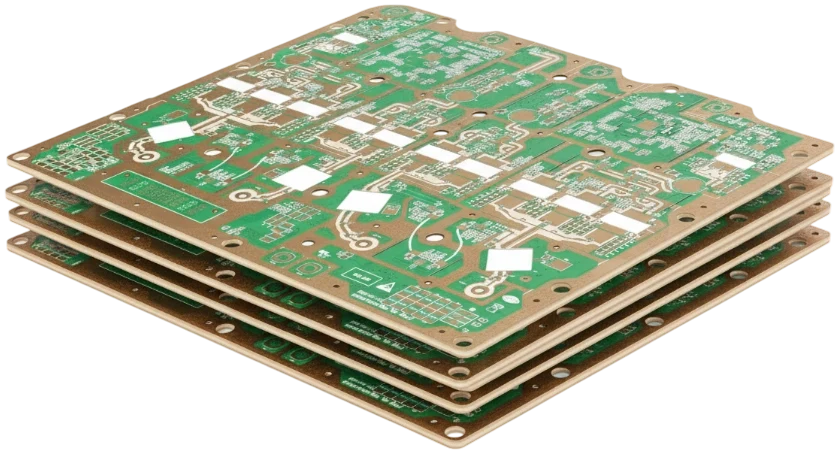
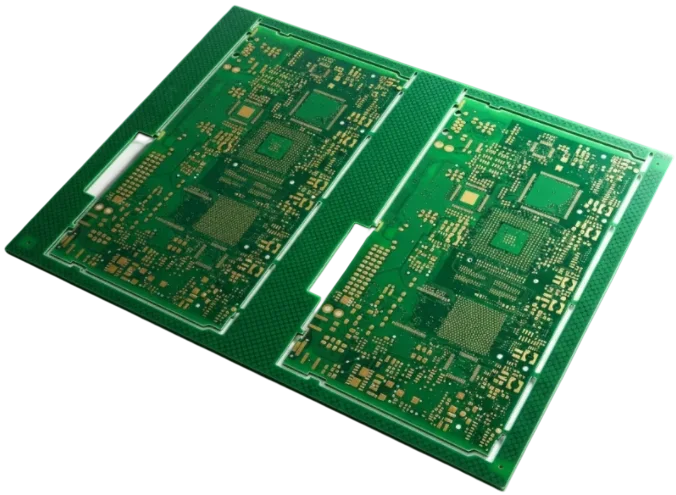
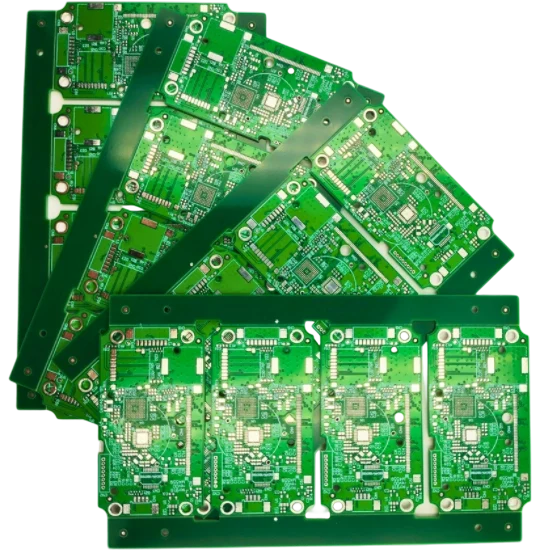
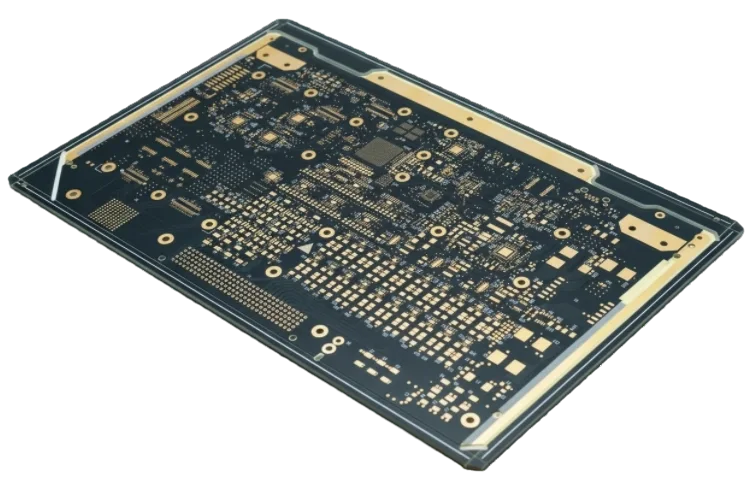
Multilayer PCB Manufacturing — Dense HDI & High-Layer Backplanes

Sequential lamination, HDI microvias, and ±5% impedance control for 8–40+ layer boards used in telecom, datacenter, and industrial systems.

  • 1–40+ layer capability
  • Sequential lamination
  • HDI microvias
  • ±5% impedance
  • Backplane panel sizes
  • Class 3 inspection

Get an Instant Quote

Full Quote →

Multilayer PCB Fabrication & Assembly

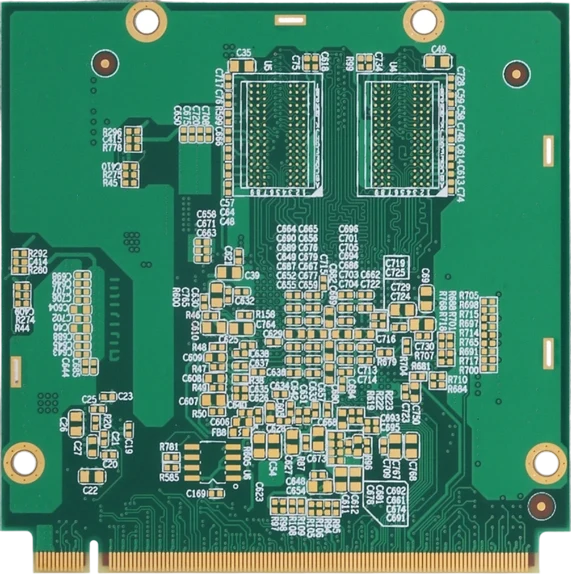
We build multilayer FR-4, high-Tg, and low-loss stackups up to 40+ layers with controlled impedance, buried/blind vias, and copper balancing for large form-factor panels.

Our CAM team optimizes sequential lamination, drill maps, via fill, and backdrill operations so dense signal, power, and reference layers stay aligned.

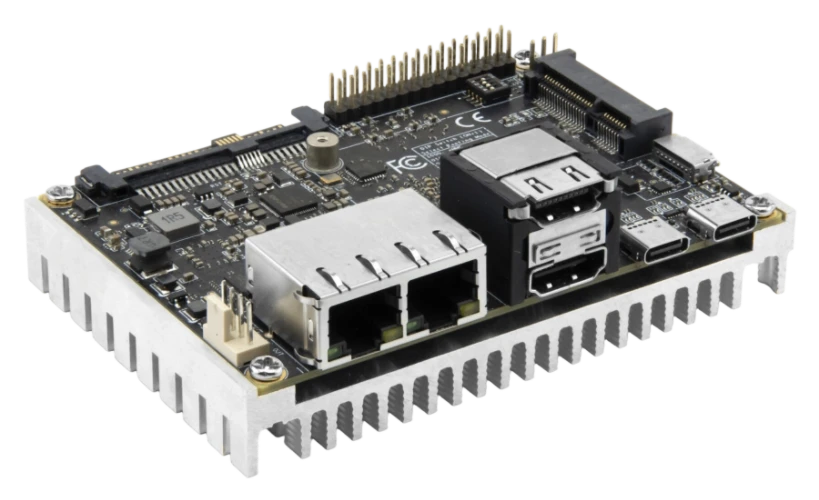
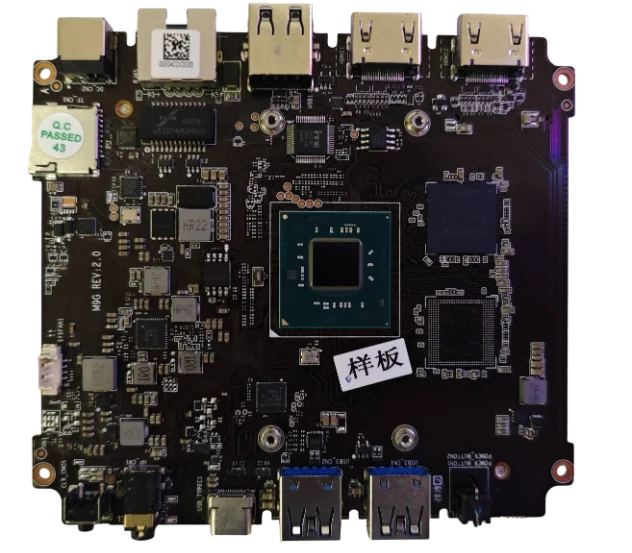
Assembly and testing include lead-free reflow, press-fit connectors, conformal coating, and electrical testing to deliver production-ready backplanes and controller boards.

Multilayer PCB fab

Multilayer Programs Delivered

Telecom backplanes, data-center fabrics, industrial controllers, and aerospace avionics built on multilayer stackups.

Data center fabrics

Data center fabrics

Telecom switches

Telecom switches

Aerospace avionics

Aerospace avionics

Industrial drives

Industrial drives

Automotive controllers

Automotive controllers

Compute modules

Compute modules

High-Layer Reliability

Impedance coupons, AOI/X-ray, CAF testing, and thermal stress verify multilayer builds that serve mission-critical markets.

Download Capabilities
Up to 40+ layersHDI microviasBackplanes±5% impedanceCopper balancingLarge panels

APTPCB Multilayer Manufacturing Services

We engineer complex stackups with HDI, buried vias, and large format panels needed for telecom and industrial applications.

Multilayer Configurations

Standard multilayer, high-Tg, low-loss, HDI, rigid-flex, and backplane architectures.

  • Standard Multilayer – 6–16 layers for control electronics.
  • High-Layer Backplane – 24–40 layers with dual stripline groups.
  • HDI Multilayer – 1+N+1 or 2+N+2 microvia structures.
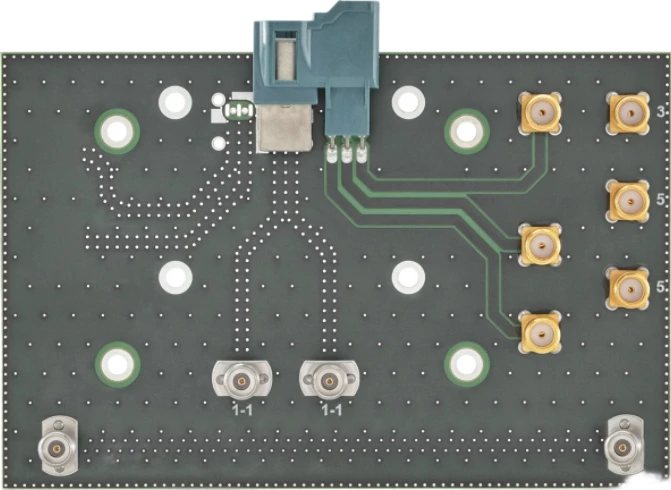
  • Low-Loss Multilayer – EM-370/I-Speed for 25–56 Gbps fabrics.
  • Rigid-Flex Multilayer – FR-4 cores tied to polyimide flex.

Via & Interconnect Options

  • Laser microvias
  • Buried vias
  • Stacked/staggered microvias
  • Backdrilled vias
  • Resin-filled via-in-pad

Sample Multilayer Stackups

  • 14-layer dual stripline backplane
  • 18-layer 2+N+2 HDI stackup
  • 24-layer low-loss telecom fabric

Material & Design Guidelines

Select laminates for Tg, Df, and CTE, plus copper weights per power layer.

  • Document Tg/Df, resin content, and copper distribution per layer.
  • Balance stackups to control bow/twist.
  • Call out prepreg styles compatible with sequential lamination.
  • Provide impedance targets and tolerances for each routing layer.

Reliability & Validation

We run impedance coupons, X-ray, cross-sections, CAF, and thermal shock to ensure multilayer boards meet Class 3 and telecom/aerospace specs.

Cost & Application Guidance

  • Reuse proven stackups across product families.
  • Panelize large boards to maximize utilization.
  • Group drill sizes/backdrill depths to cut tooling cost.

Multilayer PCB Manufacturing Flow

1

Stackup & DFx Review

Align materials, lamination cycles, and impedance goals.

2

Core Prep & Imaging

LDI imaging for fine geometries.

3

Sequential Lamination

Controlled cycles for HDI and high-layer builds.

4

Drill, Fill & Backdrill

Precision drilling plus via fill/backdrill operations.

5

Surface Finish & Mask

Apply ENIG/ENEPIG/OSP with color options.

6

Testing & Inspection

Impedance, electrical, AOI, X-ray, and reliability tests.

Stackup & CAM

We simulate impedance, copper balance, and lamination sequences before release.

  • Confirm materials and acceptable alternates.
  • Define sequential lamination plan.
  • Plan impedance coupons and reference planes.
  • Specify via structures, fill, and backdrill requirements.
  • Document finish, coating, and baking instructions.
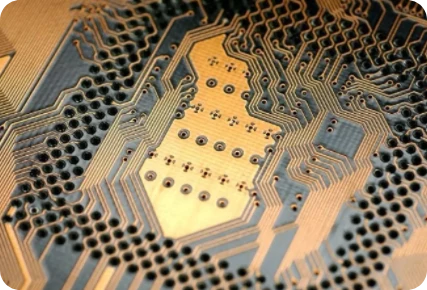
Manufacturing Execution

SPC-monitored lamination, drilling, plating, and inspection feed back to design.

  • Monitor lamination temperature/pressure.
  • Inspect drill quality and via fill.
  • Measure impedance coupons and archive data.
  • Perform AOI, X-ray, and cross-sections.
  • Package large panels with supports to avoid warpage.
40+

Layer Capacity

High-complexity backplanes

1100×500 mm

Max Panel

Large-format compatibility

3/3 mil

Standard Line/Space

HDI 2/2 mil available

±5%

Impedance

Coupon verified

Advantages of Multilayer PCBs

High density, high reliability, and scalable production.

High Density Routing

Support fine-pitch BGAs and SERDES fabrics.

Impedance Control

±5% tolerance for differential pairs.

Reliability

Class 3 inspection for harsh environments.

High-Speed Ready

Low-loss options for 25–56 Gbps.

Scalable

Prototype to mass production under one roof.

Documentation

Complete stackup + test reports.

Why Choose APTPCB?

Multilayer stackups integrate signal, power, and reference planes in one controlled platform.

TelecomDatacenterAerospaceIndustrialAutomotiveMedical
APTPCB production line
Multilayer lamination • Microvia drilling • Backdrill

Multilayer PCB Applications

Telecom, datacenter, aerospace, automotive, medical, and industrial automation rely on multilayer stackups for density and reliability.

Balanced stackups combine signal, reference, and power planes in a single assembly.

Telecom & Network

Baseband, switch, and router fabrics.

SwitchRouterBaseband

Data Center & AI

Server backplanes and accelerator boards.

BackplaneAI

Automotive & EV

Central controllers and ADAS compute.

ADASCentral compute

Aerospace & Defense

Mission computers and avionics.

AvionicsMission computer

Industrial Automation

Robotics and motor drives.

RoboticsDrives

Medical & Imaging

Diagnostic instruments and imaging systems.

ImagingDiagnostics

Rigid-Flex Systems

Compact electronics needing mixed rigid/flex sections.

Rigid-flexWearables

Test & Measurement

ATE load boards and instrumentation.

ATEInstrumentation

Multilayer Design Challenges & Solutions

Control stackups, warpage, impedance, and sequential lamination without compromising yield.

Common Design Challenges

01

Stackup Complexity

High layer counts require balanced copper and dielectric selection.

02

Impedance & SI

Multiple routing layers need consistent dielectric control.

03

Warpage

Unbalanced copper or resin flow causes bow/twist on large panels.

04

Via Reliability

Deep vias and stacked microvias need proper plating and fill.

05

Backdrill Planning

Incorrect stub removal impacts signal integrity.

06

Documentation Load

Customers expect full stackup and test records.

Our Engineering Solutions

01

Stackup Modeling

We optimize dielectric selections, copper balance, and lamination sequences.

02

Impedance Simulation

Coupons and modeling keep SI targets within ±5%.

03

Warpage Control

Copper thieving, cross-hatching, and panel design prevent bow/twist.

04

Via Process Control

Via fill and plating plans maintain reliability.

05

Backdrill Tooling

Depth tables and verification ensure consistent stub removal.

How to Control Multilayer PCB Cost

Higher layer counts and HDI features add cost—apply them only where density demands. Standardize stackups, drill sets, and panel sizes to shorten quoting and fabrication. Share routing density, impedance, and panelization goals early so we can recommend the leanest build.

01 / 08

Stackup Reuse

Reuse qualified stackups for related products.

02 / 08

Finish Planning

Reserve ENEPIG for mixed assembly; use ENIG/OSP elsewhere.

03 / 08

DFx Collaboration

Early review catches over-constrained design rules.

04 / 08

Panel Optimization

Rotate and gang boards to improve yield.

05 / 08

Testing Scope

Define reliability testing frequency to avoid unnecessary costs.

06 / 08

Shared Tooling

Use common drill/lamination tooling to reduce NRE.

07 / 08

Depth Grouping

Group backdrill depths to minimize machine time.

08 / 08

Material Forecasting

Reserve low-loss materials for long programs.

Certifications & Standards

Quality, environmental, and industry credentials supporting reliable manufacturing.

Certification
ISO 9001:2015

Quality management for multilayer fabrication.

Certification
ISO 14001:2015

Environmental controls for press, plating, and imaging.

Certification
ISO 13485:2016

Traceability for medical and instrumentation builds.

Certification
IATF 16949

Automotive APQP/PPAP for high-layer control modules.

Certification
AS9100

Aerospace governance across sequential lamination.

Certification
IPC-6012 / 6013

Performance classes for rigid and rigid-flex stackups.

Certification
UL 94 V-0 / UL 796

Safety compliance for flame and dielectric metrics.

Certification
RoHS / REACH

Hazardous substance compliance.

Selecting a Multilayer Manufacturing Partner

  • Sequential lamination and HDI capability.
  • Backdrill, impedance, and low-loss expertise.
  • Large panel processing up to 1100×500 mm.
  • Class 3 inspection and reliability testing.
  • Turnkey assembly and coating support.
  • 24-hour DFx feedback.
Engineers reviewing multilayer stackups

Quality & Cost Console

Process & Reliability Controls + Economic Levers

Unified dashboard connecting HDI quality checkpoints with the economic levers that compress cost.

Process & Reliability

Pre-Lamination Controls

Stack-Up Validation

  • Panel utilization+5–8%
  • Stack-up simulation±2% thickness
  • VIPPO planningPer lot
  • Material bake110 °C vacuum

Pre-Lamination Strategy

• Rotate outlines, mirror flex tails

• Share coupons across programs

• Reclaim 5-8% panel area

Registration

Laser & Metrology

Registration

  • Laser drill accuracy±12 μm
  • Microvia aspect ratio≤ 1:1
  • Coverlay alignment±0.05 mm
  • AOI overlaySPC logged

Laser Metrology

• Online laser capture

• ±0.05 mm tolerance band

• Auto-logged to SPC

Testing

Electrical & Reliability

Testing

  • Impedance & TDR±5% tolerance
  • Insertion lossLow-loss verified
  • Skew testingDifferential pairs
  • Microvia reliability> 1000 cycles

Electrical Test

• TDR coupons per panel

• IPC-6013 Class 3

• Force-resistance drift logged

Integration

Assembly Interfaces

Integration

  • Cleanroom SMTCarrier + ESD
  • Moisture control≤ 0.1% RH
  • Selective materialsLCP / low Df only where needed
  • ECN governanceVersion-controlled

Assembly Controls

• Nitrogen reflow

• Inline plasma clean

• 48h logistics consolidation

Architecture

Stack-Up Economics

Architecture

  • Lamination cyclesOptimize 1+N+1/2+N+2
  • Hybrid materialsLow-loss where required
  • Copper weightsMix 0.5/1 oz strategically
  • BOM alignmentStandard cores first

Cost Strategy

• Balance cost vs performance

• Standardize on common cores

• Low-loss only on RF layers

Microvia Planning

Via Strategy

Microvia Planning

  • Staggered over stacked-18% cost
  • Backdrill sharingCommon depths
  • Buried via reuseAcross nets
  • Fill specificationOnly for VIPPO

Via Cost Savings

• Avoid stacked microvias

• Share backdrill tools

• Minimize fill costs

Utilization

Panel Efficiency

Utilization

  • Outline rotation+4–6% yield
  • Shared couponsMulti-program
  • Coupon placementEdge pooled
  • Tooling commonalityPanel families

Panel Optimization

• Rotate for nesting efficiency

• Share test coupons

• Standardize tooling

Execution

Supply Chain & Coating

Execution

  • Material poolingMonthly ladder
  • Dual-source PPAPPre-qualified
  • Selective finishENIG / OSP mix
  • Logistics lanes48 h consolidation

Supply Chain Levers

• Pool low-loss material

• Dual-source laminates

• Match finish to need

Multilayer PCB Manufacturing — Upload Data for DFx Review

IPC Class 3 multilayer lines
1–40+ layer capability
HDI & low-loss expertise
Reliability documentation

Send stackups, panel drawings, and impedance goals—we reply with DFx notes, cost, and timeline within one business day.

Multilayer PCB FAQ

Answers on layer counts, materials, and testing.