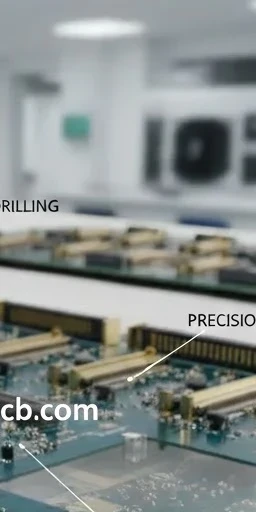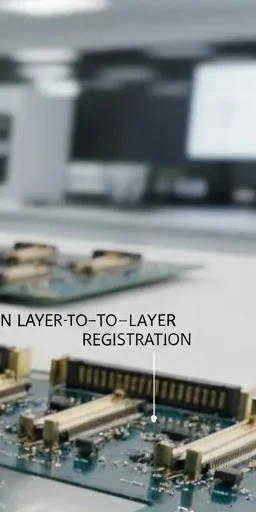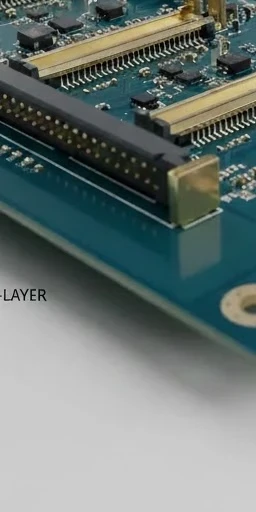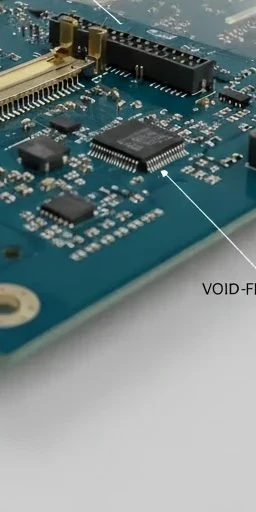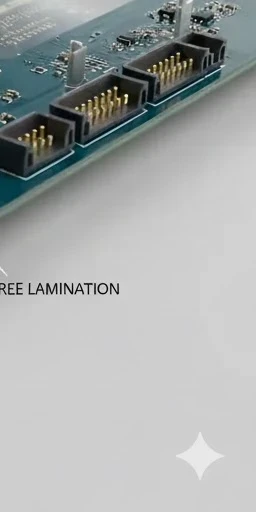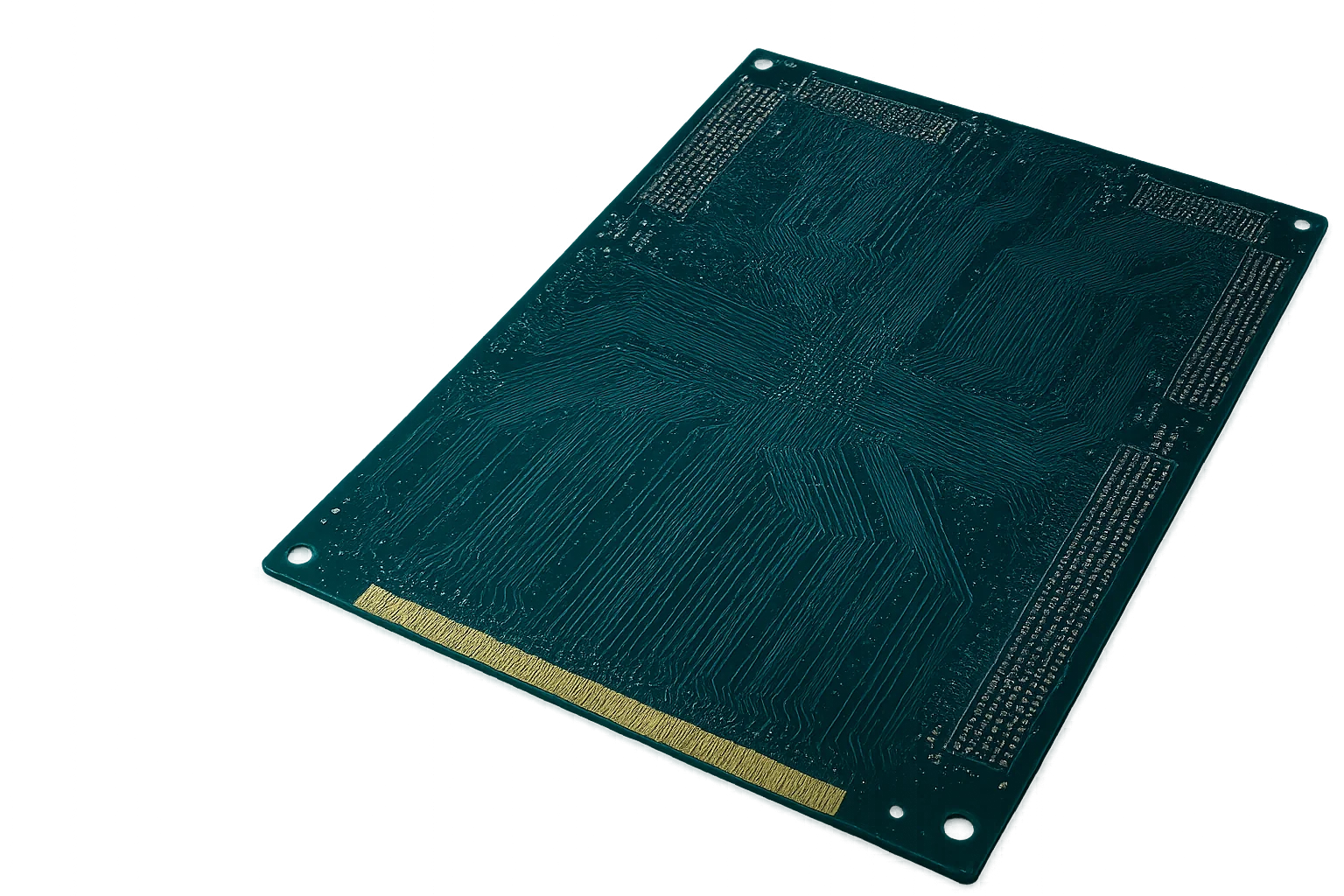
LARGE FORMAT • 112G READY

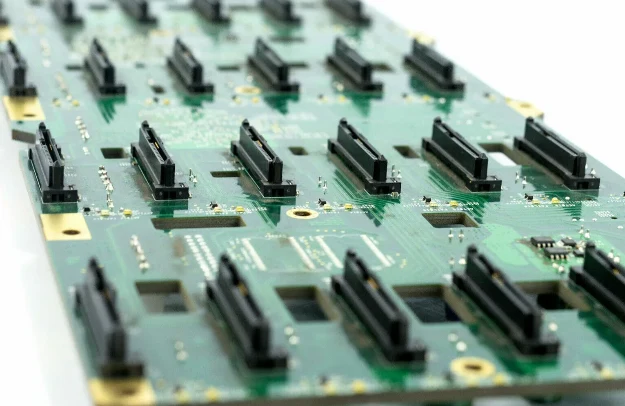
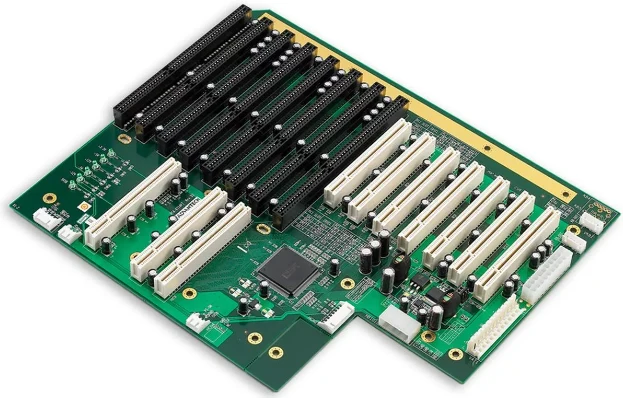
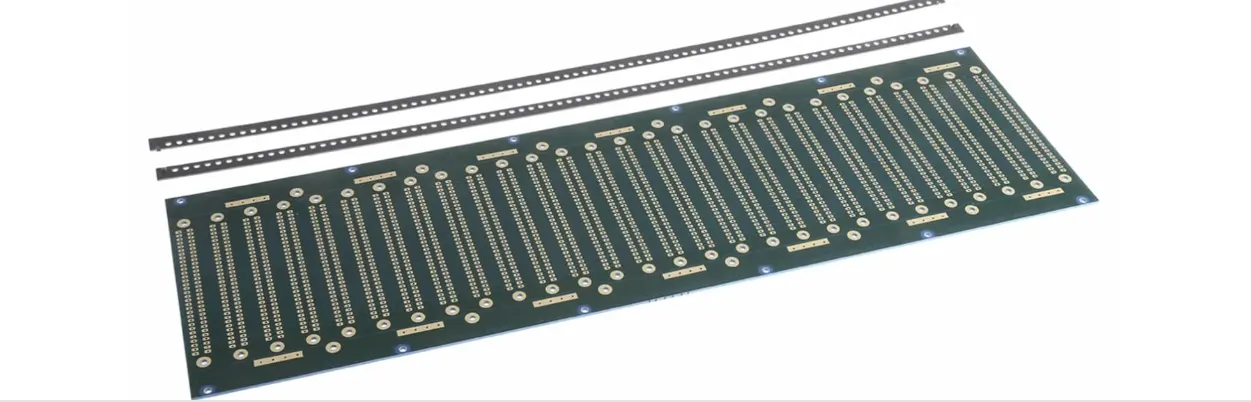
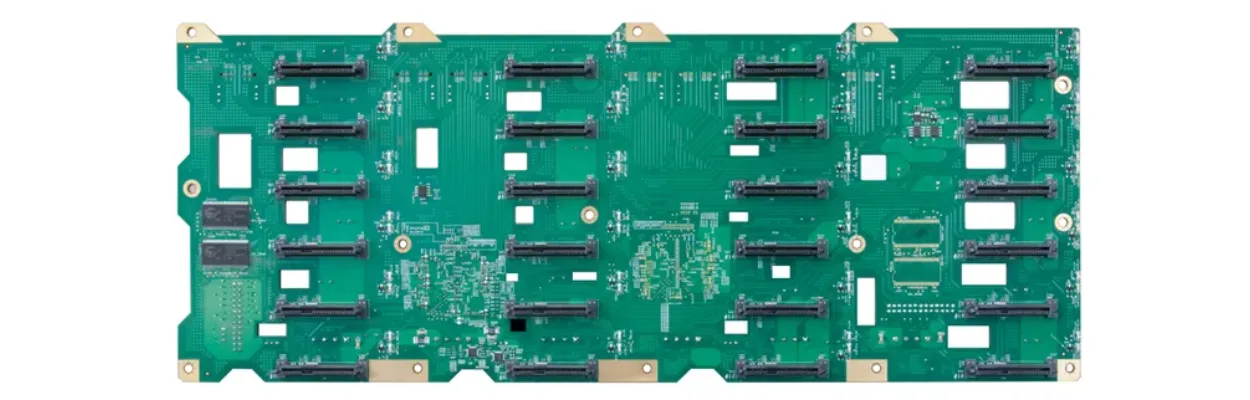
Backplane PCB Manufacturing — High-Layer, Low-Loss, Press-Fit Ready

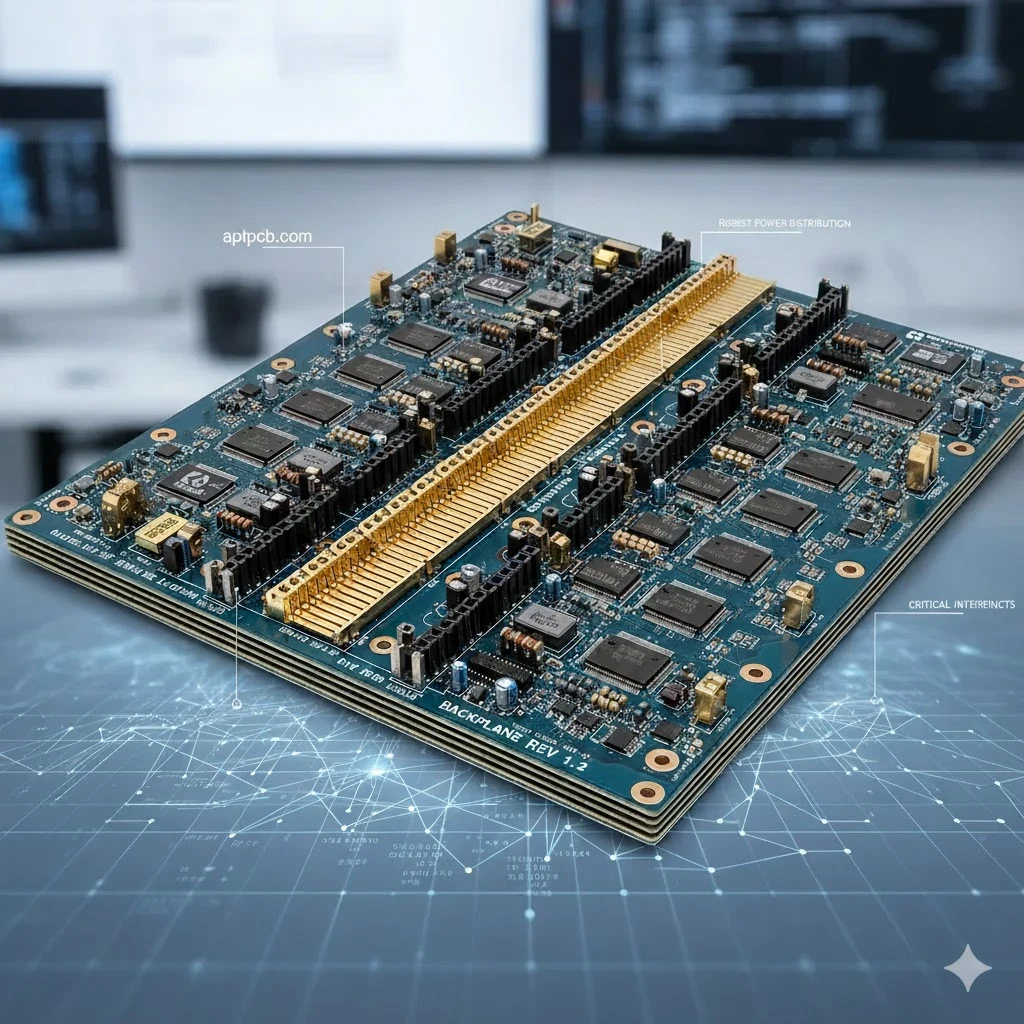
Extra-large backplanes up to 1100 × 500 mm with 24–50 layers, low-loss laminates, ±5% impedance, and CNC backdrill keep data center and telecom fabrics reliable at 112G.

  • 24–50 layer capacity
  • Low-loss laminates
  • Press-fit ready
  • CNC backdrill
  • ±5% impedance
  • 112G PAM4

Get an Instant Quote

Full Quote →

Backplane Fabrication & Assembly

APTPCB engineers design low-loss, high-layer stackups with stripline groups, dedicated reference planes, and copper balancing for massive panels.

We coordinate press-fit connector footprints, dual backdrill passes, and depth verification so SERDES lanes meet insertion loss budgets.

Assembly support covers selective solder, press-fit tooling, and conformal coating to deliver production-ready chassis and fabrics.

Backplane manufacturing

Backplane Programs Delivered

Hyperscale data center, telecom, industrial automation, and aerospace backplanes built on our lines.

Data center switch fabrics

Data center switch fabrics

Telecom baseband backplanes

Telecom baseband backplanes

Aerospace radar chassis

Aerospace radar chassis

Industrial automation hubs

Industrial automation hubs

Automotive test racks

Automotive test racks

Compute backplanes

Compute backplanes

Carrier-Grade Reliability

All backplanes receive impedance coupons, backdrill logs, AOI/X-ray, Hi-Pot, and optional S-parameter testing to ensure compliance up to 112G.

Download Backplane Checklist
24–50 layers1100×500 mmLow-loss laminatesDual backdrillPress-fit ready112G PAM4

APTPCB Backplane Manufacturing Services

Dedicated engineering, low-loss materials, and large-panel processing for mission-critical backplanes.

Backplane Configurations

Data center, telecom, industrial, and aerospace backplanes with stripline routing and heavy copper.

  • Dual stripline fabrics
  • Hybrid FR-4/low-loss
  • Heavy copper power interconnects
  • Rigid-flex backplanes
  • Modular midplanes

Via & Transition Management

  • Long plated through-holes
  • Backdrilled stubs
  • Resin-filled via-in-pad
  • Copper coins for power
  • Press-fit tooling holes

Sample Backplane Stackups

  • 26-layer low-loss stripline backplane
  • 32-layer dual backdrill fabric
  • 24-layer hybrid power + control backplane

Material & Design Guidelines

Select low-loss laminates (Megtron, Tachyon, I-Speed) and copper thickness optimized for press-fit connectors.

  • Document Dk/Df per layer with acceptable alternates.
  • Specify plating thickness for press-fit zones.
  • Plan copper balance to prevent bow/twist on large panels.
  • Detail prepreg styles and resin content for multi-lamination.

Reliability & Validation

Backplanes undergo impedance testing, IR/s-parameter correlation, AOI, X-ray, and Hi-Pot up to 4 kV to satisfy telecom and aerospace specs.

Cost & Application Guidance

  • Reuse qualified stackups for different chassis.
  • Panelize multiple midplanes per sheet.
  • Group backdrill depths to reduce machining time.

Backplane PCB Manufacturing Flow

1

Stackup & SI Review

Align loss budgets, conductor roughness, and reference planes.

2

Core Prep & Imaging

Large-format imaging for long traces.

3

Sequential Lamination

Multiple cycles for high-layer builds.

4

Drilling & Backdrill

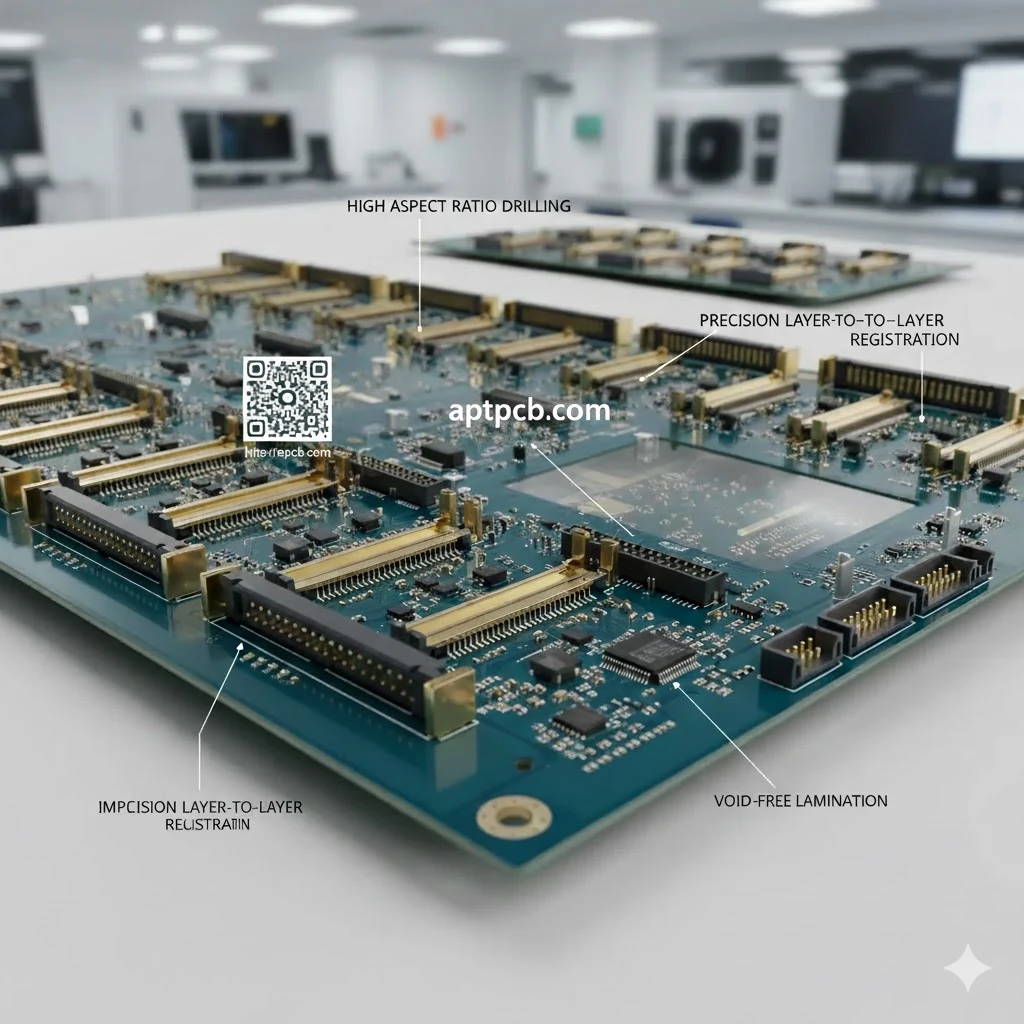
Deep drilling plus CNC backdrill with verification.

5

Surface Finish & Mask

ENIG/ENEPIG + color-coded masks for assembly.

6

Testing & Validation

Impedance, electrical, Hi-Pot, and reliability tests archived.

Backplane Stackup Engineering

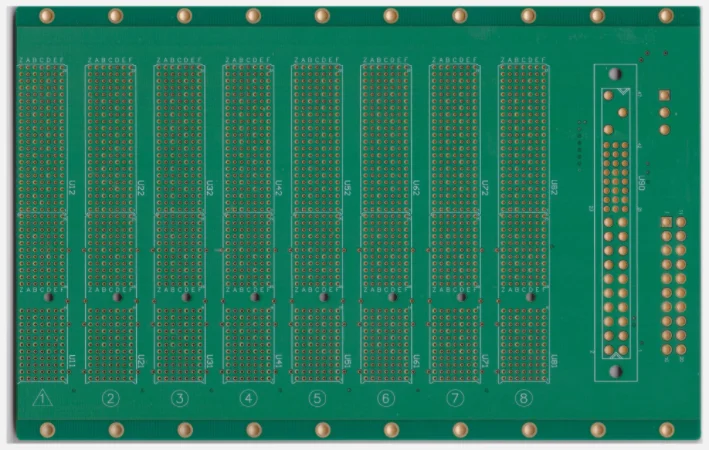
CAM + SI teams create stackups, impedance tables, and drill/backdrill files.

  • Confirm low-loss laminates and copper weights.
  • Define backdrill layers and depths.
  • Plan press-fit footprints and tolerances.
  • Model impedance and create coupon layouts.
  • Specify finish/coating keep-outs for connectors.
  • Document panelization, fiducials, and handling.
Manufacturing Execution

SPC on lamination, drilling, plating, and press-fit zones with feedback loops.

  • Monitor lamination pressure/temperature.
  • Measure drill diameter and plating thickness.
  • Verify backdrill depth and record logs.
  • Perform AOI/X-ray and impedance testing.
  • Run Hi-Pot and optional S-parameter tests.
  • Package large panels with bracing and desiccant.
1100×500 mm

Max Panel

Supports large chassis

24–50

Layer Count

Sequential lamination

±5%

Impedance

Coupon verified

112G

PAM4 Ready

Low-loss materials and backdrill

Advantages of Backplane PCBs

High signal integrity, large format, and robust power delivery.

High Layer Density

24–50 layers with dedicated signal/power groups.

High-Speed Ready

Low-loss laminates and backdrill for 112G links.

Press-Fit Compatibility

Tight hole tolerances and plating.

Reliability Data

Comprehensive SI + electrical testing.

System Simplification

Reduces harness complexity and rework.

Documentation

Stackup, drill, and test packages provided.

Large-Panel Manufacturing

Processes panels up to 1100 × 500 mm with controlled flatness for chassis backplanes.

Embedded SI Team

CAM + SI engineers co-own backdrill tuning, launch optimization, and compliance reports.

Why Choose APTPCB?

Integrated backplanes simplify wiring, improve reliability, and scale to hyperscale bandwidth needs.

Data centerTelecomAerospaceIndustrialAutomotiveTest
APTPCB production line
Large-format drilling • Backdrill verification • Press-fit testing

Backplane PCB Applications

Hyperscale networking, telecom infrastructure, industrial automation, and aerospace systems rely on high-layer backplanes.

Large-format processing and low-loss materials keep links stable at scale.

Telecom & Network

Telecom & Network

Switches, routers, and base stations.

SwitchRouterBaseband
Data Center & AI

Data Center & AI

Leaf-spine fabrics and accelerator backplanes.

Leaf-spineAI
Aerospace & Defense

Aerospace & Defense

Mission computers, radar, and avionics racks.

AvionicsRadar
Industrial Automation

Industrial Automation

Factory control and power distribution chassis.

Factory controlPower
Automotive & EV

Automotive & EV

Test benches and charging infrastructure.

Test rackCharger
Test & Measurement

Test & Measurement

ATE interfaces and load banks.

ATELoad bank
Medical & Imaging

Medical & Imaging

High-channel-count imaging systems.

ImagingDiagnostics
Rigid-Flex Backplanes

Rigid-Flex Backplanes

Folded harness replacements for compact enclosures.

Rigid-flexCompact systems

Backplane Design Challenges & Solutions

Control loss, backdrill, impedance, and warpage on massive boards.

Common Design Challenges

01

Insertion Loss Budgets

Low-loss materials and copper roughness must align with 112G budgets.

02

Backdrill Planning

Multiple depths need clear documentation and verification.

03

Warpage Control

Large panels warp without copper balancing.

04

Press-Fit Integrity

Tight hole tolerances and plating thickness are critical.

05

Documentation Load

Customers require detailed stackup, drill, and test data.

06

Handling & Packaging

Large boards must ship flat without damage.

Our Engineering Solutions

01

Loss Modeling

Stackup + SI models keep insertion loss on target.

02

Backdrill Playbooks

We create drill tables, tolerances, and verification steps.

03

Copper Balance & Panel Design

Thieving and cross-hatching control warpage.

04

Press-Fit Guidelines

Hole size, plating, and finish rules documented.

05

Packaging Kits

Custom crates and supports ship large panels safely.

How to Control Backplane PCB Cost

Low-loss materials, backdrill, and large panels add cost—apply premium features only where needed. Reuse stackups, drill sets, and panel sizes across chassis to minimize NRE. Provide insertion loss, connector types, and panel constraints so we can scope the leanest solution.

01 / 08

Standardized Stackups

Use common high-layer stackups across product lines.

02 / 08

Testing Scope

Run full SI testing for qualification, sampling for production.

03 / 08

DFx Collaboration

Early review avoids over-spec’d copper or via rules.

04 / 08

Panel Utilization

Optimize outlines and fiducials for maximum yield.

05 / 08

Finish Alignment

Select ENIG/OSP combos depending on assembly needs.

06 / 08

Shared Tooling

Reuse drill hits and lamination tooling to reduce NRE.

07 / 08

Backdrill Grouping

Combine similar depths to cut machine time.

08 / 08

Material Forecasting

Reserve low-loss laminate lots for ongoing programs.

Certifications & Standards

Quality, environmental, and industry credentials supporting reliable manufacturing.

Certification
ISO 9001:2015

Quality management across sequential lamination and drilling.

Certification
ISO 14001:2015

Environmental controls for copper plating and prepreg handling.

Certification
ISO 13485:2016

Traceable documentation for regulated industrial and medical systems.

Certification
IATF 16949

Automotive-grade SPC, PPAP, and CAPA coverage.

Certification
AS9100

Aerospace process governance for mission-critical backplanes.

Certification
IPC-6012 / 6013

Class 3 acceptance for rigid and rigid-flex structures.

Certification
UL 796 / UL94 V-0

Safety and flammability compliance for global deployments.

Certification
RoHS / REACH

Hazardous substance controls for export shipments.

Selecting a Backplane Manufacturing Partner

  • Large panel processing up to 1100×500 mm.
  • Low-loss materials and SI engineering.
  • Backdrill, impedance, and S-parameter testing.
  • Press-fit assembly support.
  • Class 3 inspection and documentation.
  • 24-hour DFx feedback.
Engineers inspecting backplanes

Quality & Cost Console

Process & Reliability Controls + Economic Levers

Unified dashboard connecting HDI quality checkpoints with the economic levers that compress cost.

Process & Reliability

Pre-Lamination Controls

Stack-Up Validation

  • Panel utilization+5–8%
  • Stack-up simulation±2% thickness
  • VIPPO planningPer lot
  • Material bake110 °C vacuum

Pre-Lamination Strategy

• Rotate outlines, mirror flex tails

• Share coupons across programs

• Reclaim 5-8% panel area

Registration

Laser & Metrology

Registration

  • Laser drill accuracy±12 μm
  • Microvia aspect ratio≤ 1:1
  • Coverlay alignment±0.05 mm
  • AOI overlaySPC logged

Laser Metrology

• Online laser capture

• ±0.05 mm tolerance band

• Auto-logged to SPC

Testing

Electrical & Reliability

Testing

  • Impedance & TDR±5% tolerance
  • Insertion lossLow-loss verified
  • Skew testingDifferential pairs
  • Microvia reliability> 1000 cycles

Electrical Test

• TDR coupons per panel

• IPC-6013 Class 3

• Force-resistance drift logged

Integration

Assembly Interfaces

Integration

  • Cleanroom SMTCarrier + ESD
  • Moisture control≤ 0.1% RH
  • Selective materialsLCP / low Df only where needed
  • ECN governanceVersion-controlled

Assembly Controls

• Nitrogen reflow

• Inline plasma clean

• 48h logistics consolidation

Architecture

Stack-Up Economics

Architecture

  • Lamination cyclesOptimize 1+N+1/2+N+2
  • Hybrid materialsLow-loss where required
  • Copper weightsMix 0.5/1 oz strategically
  • BOM alignmentStandard cores first

Cost Strategy

• Balance cost vs performance

• Standardize on common cores

• Low-loss only on RF layers

Microvia Planning

Via Strategy

Microvia Planning

  • Staggered over stacked-18% cost
  • Backdrill sharingCommon depths
  • Buried via reuseAcross nets
  • Fill specificationOnly for VIPPO

Via Cost Savings

• Avoid stacked microvias

• Share backdrill tools

• Minimize fill costs

Utilization

Panel Efficiency

Utilization

  • Outline rotation+4–6% yield
  • Shared couponsMulti-program
  • Coupon placementEdge pooled
  • Tooling commonalityPanel families

Panel Optimization

• Rotate for nesting efficiency

• Share test coupons

• Standardize tooling

Execution

Supply Chain & Coating

Execution

  • Material poolingMonthly ladder
  • Dual-source PPAPPre-qualified
  • Selective finishENIG / OSP mix
  • Logistics lanes48 h consolidation

Supply Chain Levers

• Pool low-loss material

• Dual-source laminates

• Match finish to need

Backplane PCB Manufacturing — Upload Data for SI Review

Large-format Class 3 lines
24–50 layer capability
Low-loss & backdrill expertise
Comprehensive SI documentation

Send stackups, panel drawings, and connector maps—our team replies with DFx notes, SI plans, and schedules within one business day.

Backplane PCB FAQ

Questions on panel size, materials, and validation.